

What is Occupational Therapy?
At Little Peach, we have an awesome team of occupational therapists who serve a number of children each day. One question we get often is, "How can occupational therapy benefit my child?" One of our own has put together some information to help us better understand how beneficial OT can be. Read below to find out more!
What is OT?
Occupational Therapy uses therapeutic activities to promote independence, function, and well-being. Occupational Therapy is guided by the following areas of occupation as defined by the Occupational Therapy Practice Framework, 4th Edition:
Activities of daily living (ADLs): include bathing, dressing, grooming and hygiene, toileting and toilet hygiene, feeding, eating, and swallowing
Instrumental activities of daily living (IADLs): involve caring for others or pets, shopping, money management, meal preparation, driving, and community mobility, communication management
Health management: involves the development, promotion, and maintenance of one's health and wellness
Rest and sleep: explores rest, sleep preparation, and sleep participation
Education: addresses skills needed for learning and participating in an educational environment
Work: involves exploration of interests, job acquisition, performance on the job, retirement preparation and adjustment, exploring and participating in volunteer opportunities
Play: involves play exploration and participation that is typically initiated by an individual's own interests
Leisure: involves exploration and participation in leisure activities that are internally driven, and often unrelated to work
Social Participation: explores social interaction with others such as peers, family, community, and spouses

The ability to participate in these areas of occupation can be affected by several things, such as the environment in which the occupation is taking place, current habits and routines, physiological processes, and functions of the body. Information regarding these factors is gathered in the evaluation process and later addressed through intervention planning and implementation. Client and caregiver participation is an integral part of the evaluation and treatment process. Without client and caregiver buy-in, it will be difficult to achieve carry-over of strategies in the natural environment where occupations typically take place.
Occupational Therapy can be found in several settings, such as inpatient rehabilitation, outpatient rehabilitation, hospitals, skilled nursing facilities, home health, early intervention, school systems, community outreach programs, and wellness centers. Occupational therapists can also serve as consultants in several areas, like improving work ergonomics, implementing wellness programs, and ensuring accommodations are made in educational institutions.
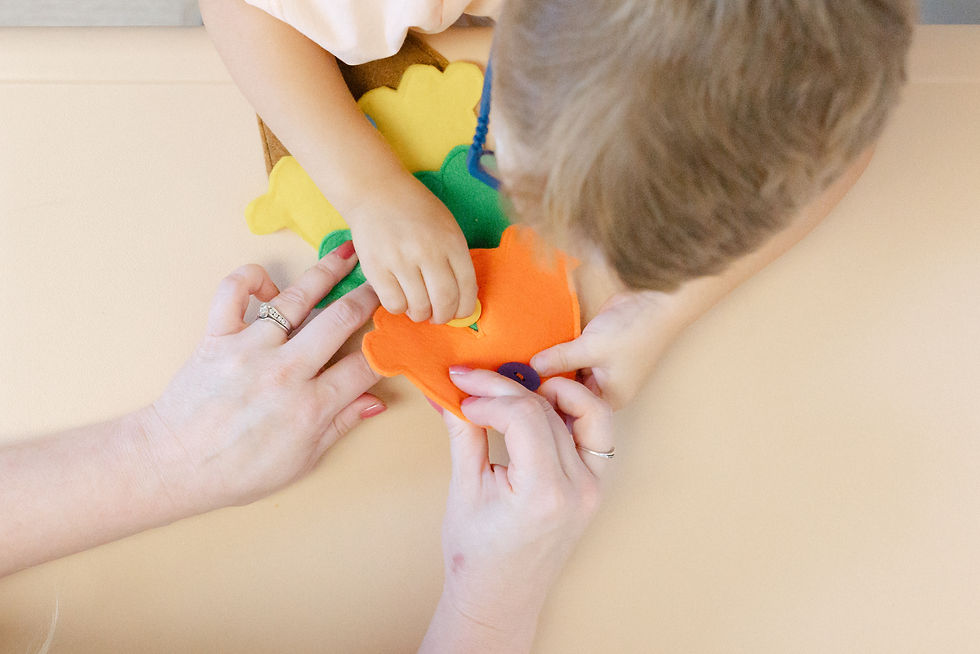
Play is used to assist in the acquisition of goals and the development of skills in the pediatric population. Pediatric Occupational Therapy focuses on developing skills that will allow Independent participation in several areas of life, such as ADLs, social participation, leisure, and education. Sensory processing difficulties, motor planning difficulties, executive functioning difficulties, deficits in strength and endurance all play a part in the ability to participate in areas of occupation.
Occupational Therapy benefits individuals of all ages. Reach out to a local Occupational Therapist to get the needs of your child, loved one, or yourself addressed.


Comments